
Bagged Cement Delivery in Karachi: A Contractor’s Guide
Cement delivery in Karachi requires careful planning because every construction site has different access, storage, and scheduling requirements. From residential homes to commercial buildings, timely delivery of genuine cement helps keep projects on schedule. Choosing the right supplier, ordering the correct quantity, and planning deliveries in advance can help avoid unnecessary delays and material waste.
Bagged Cement: The Practical Choice
Bagged cement in standard 50kg bags is the preferred choice for most residential, commercial, and contractor projects across Karachi. It allows you to order the quantity you need, is easier to transport into sites with limited access, and can be stored safely until required. For renovations, housing projects, commercial buildings, and phased construction, bagged cement offers excellent flexibility and convenience.
Bulk Cement: Used for Large Infrastructure Projects
Some large industrial and infrastructure projects use bulk cement delivery to handle high-volume concrete production. However, these projects require dedicated storage systems, specialized unloading equipment, and suitable site access. Many contractors and builders continue to prefer bagged cement because it is easier to manage, store, and transport on a wider range of construction sites.
S&S Enterprises supplies genuine, high-quality bagged cement for residential, commercial, and contractor projects across Karachi and Sindh.
Plan Deliveries Around Site Access
Before arranging cement delivery, ensure your site has adequate unloading space and safe storage for the bags. Narrow streets, busy traffic, and restricted access in some parts of Karachi can affect delivery schedules, so planning ahead helps avoid unnecessary delays and keeps construction running smoothly.
Why Choose a Reliable Cement Supplier?
Choosing the right cement supplier is just as important as selecting the right cement brand. A reliable supplier delivers genuine products, provides consistent stock availability, and ensures your materials arrive on time. Working with an established supplier also gives you confidence that the cement has been sourced through authorized distribution channels and handled correctly before delivery. Whether you’re building a home, managing a commercial project, or overseeing contractor work, dependable supply and responsive customer service can help keep your project on schedule and reduce unnecessary delays.
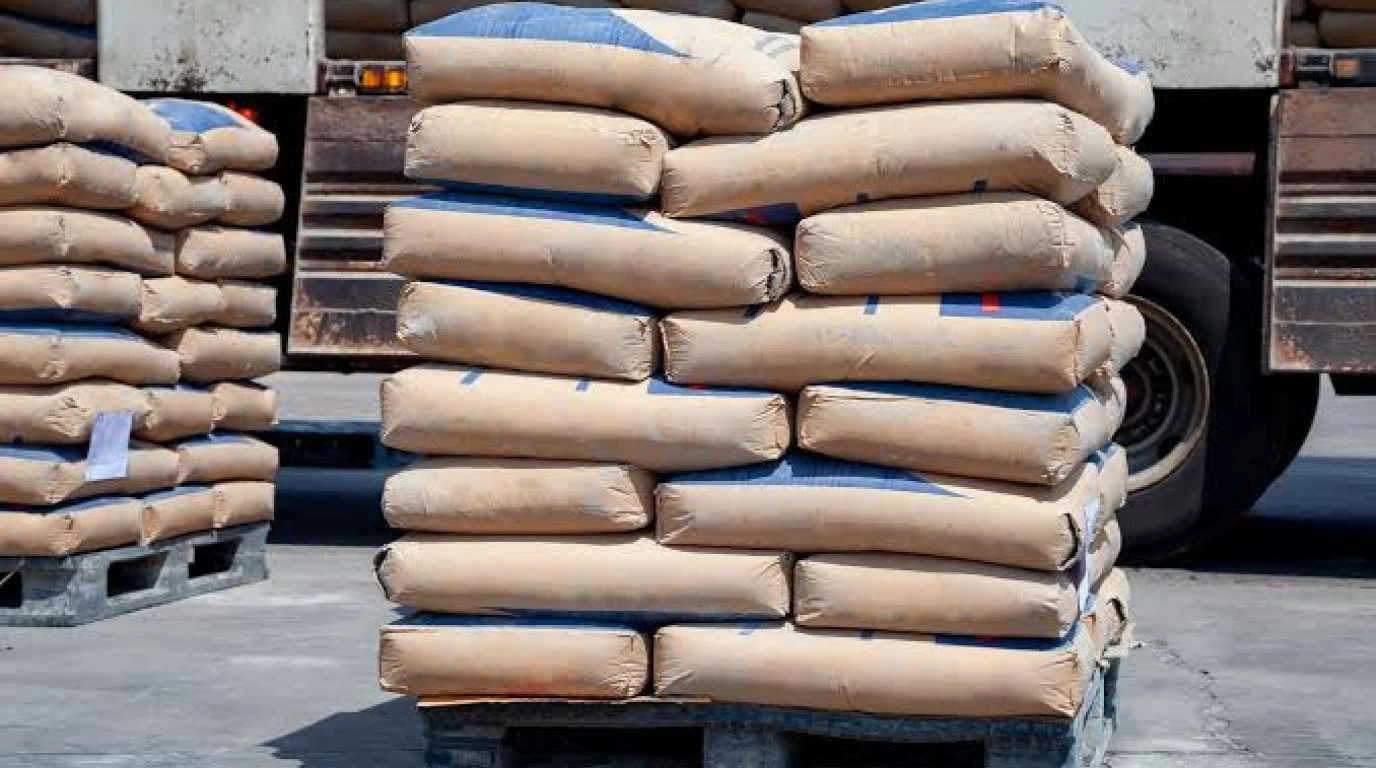
Protect Cement During Storage
Cement should always be stored in a dry, covered area away from moisture. Stack bags on wooden pallets rather than directly on the ground, and protect them from rain and humidity, especially during Karachi’s monsoon season. Proper storage helps maintain cement quality until it is used.
Ordering Tips for Contractors
- Order slightly more cement than your estimated requirement to account for minor wastage.
- Schedule deliveries according to your construction phases.
- Ensure adequate covered storage before delivery.
- Confirm delivery timing with your supplier to avoid project delays.
Bagged Cement Benefits at a Glance
| Factor | Bagged Cement |
|---|---|
| Best For | Residential, commercial and contractor projects |
| Packaging | Standard 50kg bags |
| Storage | Easy to stack in covered areas |
| Site access | Suitable for almost all construction sites |
| Delivery | Convenient for phased construction |
Frequently Asked Questions
Q. Does S&S Enterprises supply bulk tanker cement?
No. S&S Enterprises currently supplies premium-quality bagged cement for residential, commercial, and contractor projects throughout Karachi and Sindh.
Q. Why choose bagged cement?
Bagged cement is easy to transport, store, and use in projects of all sizes. It is particularly suitable for phased construction and sites where tanker access is limited.
Q. How should cement be stored after delivery?
Store cement bags in a dry, covered location on raised pallets, away from moisture and rain, to maintain their quality until use.
Need genuine cement or electrical cables?
Our team supplies genuine, certified cement and cable across Karachi and Sindh — tell us what you need and we’ll help you get it right the first time.
How to Choose a Reliable Cement Supplier in Karachi
Choosing a reliable cement supplier in Karachi is one of the most important decisions for any construction project. Karachi has no shortage of cement suppliers but not all of them are equally reliable, and a wrong choice usually shows up at the worst possible time: mid-project, when a delivery doesn’t arrive or the bags on-site turn out to be inconsistent. Here’s what actually separates a dependable cement supplier from a risky one.
Start With Authorized Dealer Status
The single most important question to ask any cement supplier in Karachi is which brands they’re authorized to sell, and whether they can prove it. An authorized dealer sources directly from the manufacturer, which means the cement you receive is traceable back to a specific mill and batch — not repackaged, diluted, or substituted stock from an unverified middleman.
Check Their Bulk And Retail Capacity
A supplier that only handles small retail orders may struggle once your project scales up, while a purely bulk-focused supplier might not want to bother with a smaller job. Look for a cement supplier who can genuinely serve both ends — bagged cement for a boundary wall, bulk tanker delivery for a multi-storey pour — without treating either as an afterthought.
Ask About Delivery Radius And Speed
Karachi’s traffic and spread-out industrial zones mean delivery speed varies enormously between suppliers. Ask your cement supplier in Karachi how quickly they can dispatch within the city, and do they reliably supply contractors elsewhere in Sindh? A supplier who’s vague about delivery timelines is one whose delays you’ll discover on your own schedule, not theirs.

Request Certification Documentation
A reliable cement supplier should be able to produce a manufacturer invoice and, where applicable, certification documentation confirming the cement meets the relevant Pakistan Standard. This isn’t an unreasonable request it’s a basic protection for you as the buyer, and any supplier confident in their sourcing will provide it without pushback.
Judge Them On After-Sales Responsiveness
The real test of a cement supplier often isn’t the sales call it’s what happens if a delivery is short, delayed, or the wrong grade shows up. A supplier worth sticking with will fix problems quickly and communicate clearly, rather than going quiet once payment has cleared.
What to check at a glance
| What To Check | Why It Matters |
|---|---|
| Authorized dealer status | Confirms genuine, traceable stock back to the manufacturer |
| Bulk and retail capacity | Ensures they can scale to your actual order size |
| Delivery radius and speed | Affects whether they can realistically hit your schedule |
| Certification documentation | Protects you if quality is ever questioned later |
| After-sales responsiveness | Matters most when a delivery or quality issue actually happens |
Frequently Asked Questions
Q. How do I know if a cement supplier in Karachi is authorized?
Ask directly which brands they’re authorized to sell and request a manufacturer invoice or certificate a genuine dealer will provide this without hesitation.
Q. How can I verify the quality of cement before buying?
Not necessarily, but a price well below the market rate for a known brand is worth questioning before you order.
Q. Can a good supplier help me even if I don’t know exactly what I need?
Yes a responsive supplier should be able to help you match the right cement type and quantity to your project once you describe it.
Need genuine cement or electrical cables?
Our team supplies genuine, certified cement and cable across Karachi and Sindh — tell us what you need and we’ll help you get it right the first time.
How Much Cement Do You Need? A Practical Ordering Guide
Under-ordering cement means a delayed pour while you wait for a second delivery. Over-ordering ties up cash in stock you may not use. Getting the quantity right matters — but there’s no single formula that fits every project, since a boundary wall, a slab, and a multi-storey RCC frame all consume cement very differently. Knowing how much cement you need is one of the most important parts of planning a construction project. Under-ordering causes delays, while over-ordering increases costs and unnecessary storage.
How Much Cement Do You Need? Bags vs Bulk
Smaller residential jobs a boundary wall, a room extension, minor repair work are usually ordered by the 50kg bag, from a few dozen up to a couple hundred. Larger builds become more cost-effective by the ton once you’re consistently ordering above roughly 5–10 tons, where bulk tanker delivery starts working out cheaper per bag than standard packaged cement.
Getting An Accurate Estimate
The most reliable number comes from your structural engineer’s Bill of Quantities (BOQ), which accounts for your specific mix ratio, structural design, and a reasonable wastage allowance. If you already have a BOQ or engineer’s estimate, we can quote directly against it just share the total quantity and grade required when requesting pricing. Once you’ve estimated your quantity, choose a trusted cement supplier that can deliver the required grade on time.
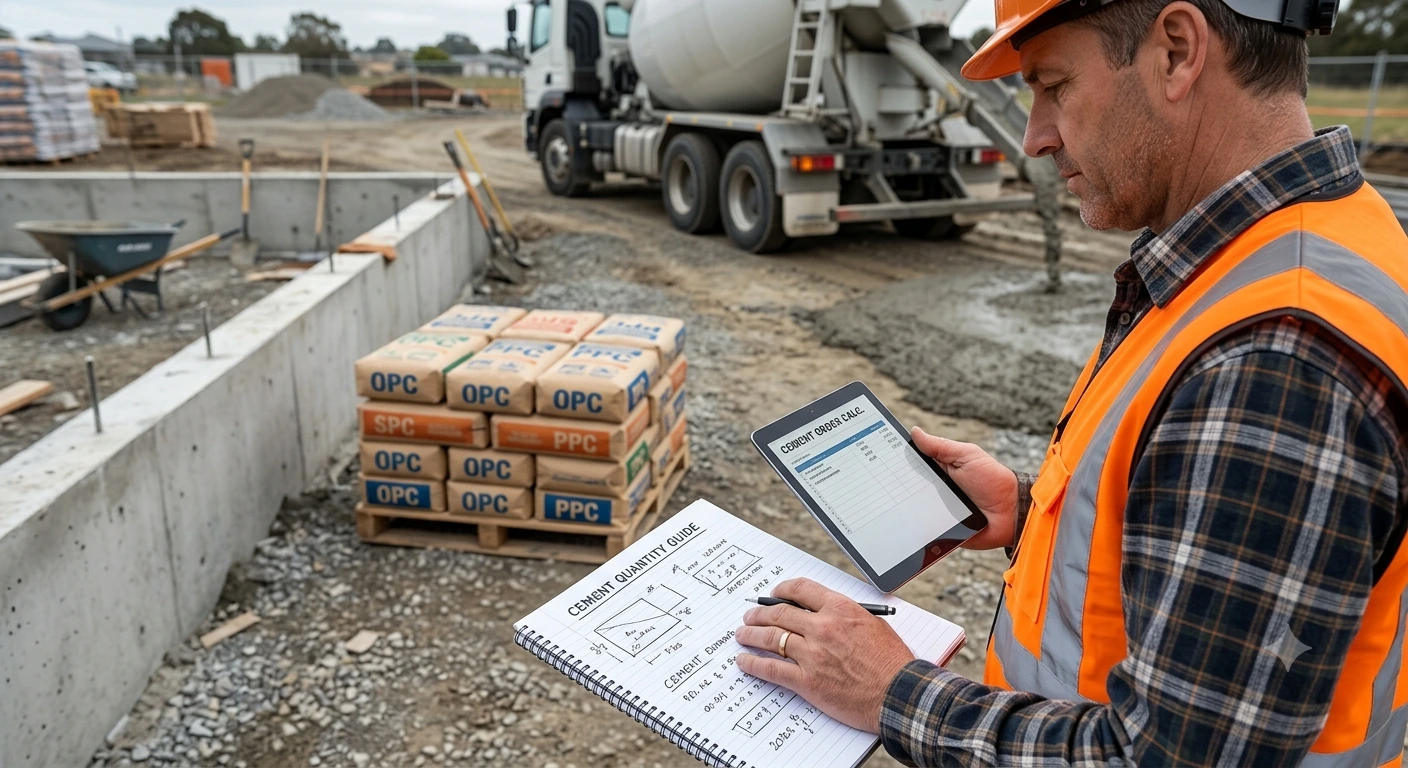
Ordering Tips To Avoid Delays
- Order with a small buffer (5–10%) to cover wastage and minor estimation error.
- Confirm site access for delivery trucks or tankers well before your pour date.
- Coordinate delivery timing with your actual pour schedule — cement sitting exposed on-site for weeks can absorb moisture and lose strength.
- For phased construction, order in stages rather than all at once, to avoid long on-site storage.
Bags vs bulk — quick reference
| Project Size | Recommended Method | Why |
|---|---|---|
| Boundary wall, extension, repairs | 50kg bags | Flexible, easy to store in small quantities |
| Mid-size residential build | Bags, ordered in stages | Matches phased pour schedule, less on-site storage |
| 5–10 tons or more, ongoing pours | Bulk tanker | Lower cost per bag at volume |
Frequently Asked Questions
Q. How much buffer should I order on top of the BOQ figure?
A 5–10% buffer is a reasonable allowance for wastage and minor estimation error, on top of your engineer’s BOQ figure.
Q. Is bulk delivery cheaper than bags?
It can be, once volume is consistently above roughly 5–10 tons — below that, bagged cement is usually simpler and just as cost-effective.
Q. Can cement go bad if it sits on-site too long?
Yes. Cement exposed to moisture in storage can lose strength, which is why coordinating delivery timing with your actual pour schedule matters.
Need genuine cement or electrical cables?
Our team supplies genuine, certified cement and cable across Karachi and Sindh — tell us what you need and we’ll help you get it right the first time.
Cement Grades Explained: What Does Grade 43 vs Grade 53 Actually Mean?
Cement grades such as Grade 43 and Grade 53 often confuse first-time buyers. This guide explains cement grades, what the numbers mean, and how to choose the right one for your project.
What Do Cement Grades Mean?
The grade number refers to the minimum compressive strength the cement achieves after 28 days of curing, measured in megapascals (MPa) on a standard cement mortar cube. Grade 43 cement reaches a minimum of 43 MPa; Grade 53 reaches at least 53 MPa. Higher grade means the hardened cement can withstand more compressive load before failing.
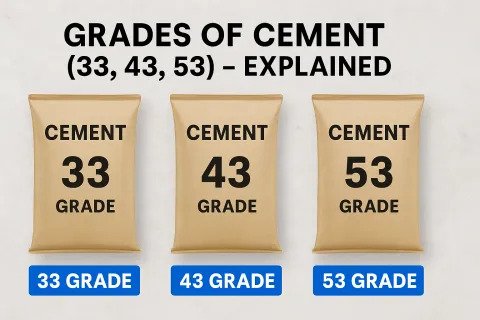
Grade 43 — Typical Uses
Grade 43 is a workhorse grade for general construction — residential buildings, plastering, boundary walls, and low-to-mid-rise structures where the design doesn’t call for exceptionally high load-bearing capacity.
Grade 53 — Typical Uses
Grade 53 is specified where the structural design demands higher early and ultimate strength — multi-storey RCC frames, heavily loaded columns and slabs, precast elements, and infrastructure work where a higher-strength mix reduces the amount of cement needed per cubic metre of concrete.
Does Higher Grade Always Mean Better?
Not necessarily. Grade 53 typically costs more, and using it where it isn’t structurally required is simply an unnecessary expense the design, not the marketing, should decide the grade. If you have a structural drawing or BOQ, it will usually specify the required grade directly; if you don’t, it’s worth checking with your engineer before ordering rather than defaulting to “the strongest one.”
Grade 43 vs Grade 53
| Grade | Min. 28-Day Strength | Typical Use |
|---|---|---|
| Grade 43 | 43 MPa | Homes, plaster, boundary walls, low-to-mid-rise structures |
| Grade 53 | 53 MPa | Multi-storey RCC frames, heavy columns/slabs, precast, infrastructure |
Frequently Asked Questions
Q. Is Grade 53 always the safer choice?
No. Safety comes from following the structural design, not from over-specifying. Using Grade 53 where 43 is called for adds cost without adding structural benefit.
Q. Where do I find the required grade for my project?
Your structural drawing or Bill of Quantities (BOQ) will normally state it directly. If you don’t have one, check with your engineer before ordering. Once you’ve identified the required grade, choose a trusted cement supplier that stocks genuine certified products.
Q. Does grade affect curing time?
Both grades follow a similar curing timeline; the 28-day figure is the standard benchmark used to classify strength, not a deadline for construction to wait.
Need genuine cement or electrical cables?
Our team supplies genuine, certified cement and cable across Karachi and Sindh — tell us what you need and we’ll help you get it right the first time.
OPC vs SRC vs PPC Cement: Which One Does Your Project Need?
OPC vs SRC vs PPC Cement is one of the most common questions among homeowners, builders, and contractors. Although these cement types may look similar, each is designed for different construction conditions and applications. Ask ten people which cement to buy and most will name whatever brand is most advertised but the brand matters less than the type. Ordinary Portland Cement, Sulfate Resistant Cement, and Portland Pozzolana Cement are formulated for genuinely different conditions, and using the wrong one doesn’t just waste money it can shorten the life of the structure.
What Is OPC (Ordinary Portland Cement)?
OPC is the default, general-purpose cement used in most residential and commercial construction. It gains strength quickly, which is why it’s the standard choice for slabs, columns, plaster work, and boundary walls where there’s no unusual soil or water exposure to plan around.
What Is SRC (Sulfate Resistant Cement)?
Sulfate Resistant Cement is chemically formulated to resist attack from sulfate salts found in certain soils and groundwater — common in coastal areas and some low-lying sites. Standard OPC exposed to these conditions can gradually weaken as sulfates react with compounds in the cement paste. SRC is the safer choice for foundations, water tanks, retaining walls, and any structure below grade in a high-sulfate area.
What Is PPC (Portland Pozzolana Cement)?
PPC is a blended cement, mixed with a pozzolanic material that reacts more slowly than pure Portland cement. That slower reaction generates less heat during curing, which matters a great deal on large, thick concrete pours — mass foundations, dams, bridge piers — where too much internal heat can cause cracking as the concrete cools unevenly. PPC also tends to produce a denser, less permeable concrete over time, which is why it’s common on infrastructure projects.
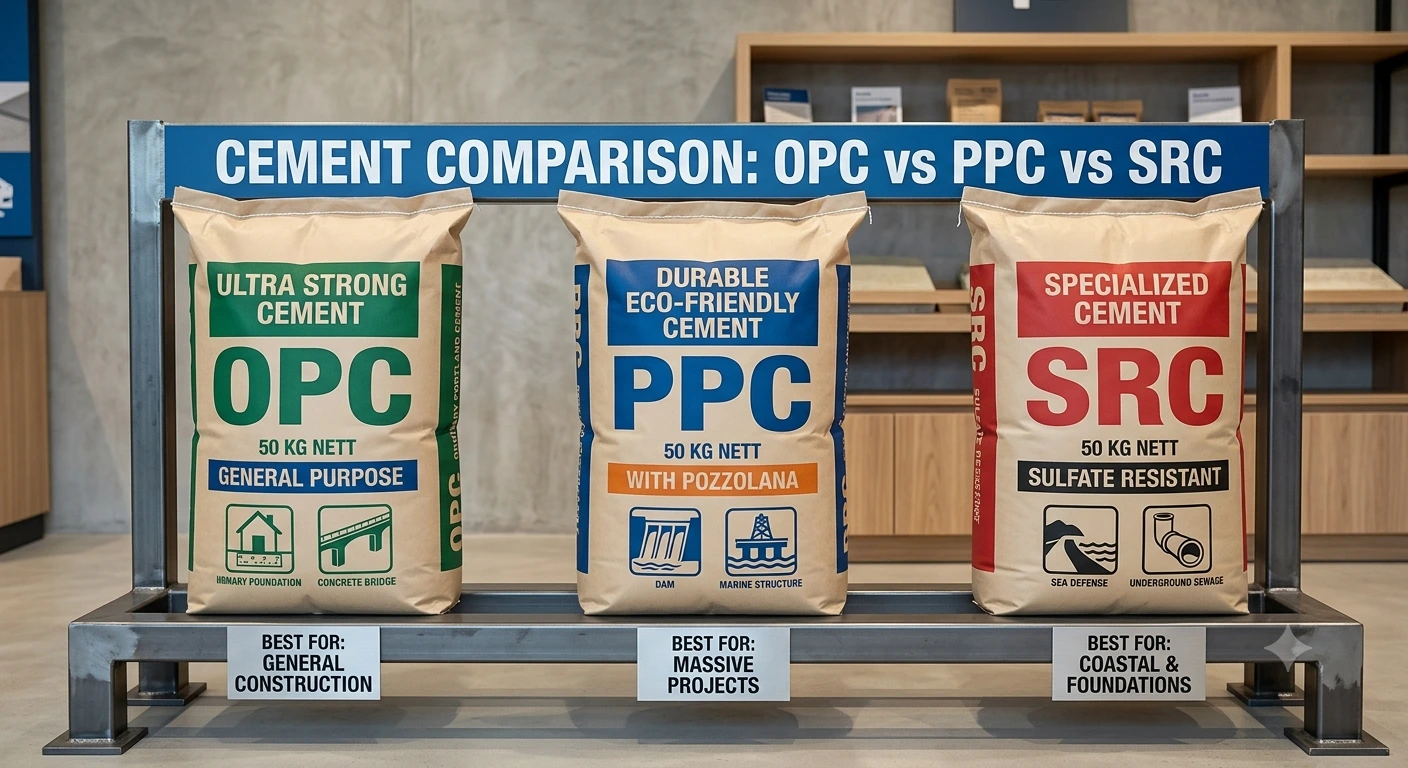
Quick Decision Guide
- Standard house or boundary wall, no unusual soil: OPC
- Foundation, water tank, or coastal structure: SRC
- Large infrastructure pour, bridge, or dam: PPC
| Type | Best For | Main Benefit | Typical Applications |
|---|---|---|---|
| OPC | General construction | Fast strength gain | Houses, columns, slabs |
| SRC | Sulfate-rich environments | Sulfate resistance | Foundations, water tanks, coastal projects |
| PPC | Large concrete pours | Lower heat of hydration | Bridges, dams, infrastructure |
Frequently Asked Questions
Q. Can OPC be used for foundations?
Yes, where sulfate exposure is not expected. In coastal areas or sites with high-sulfate soil or groundwater, SRC is the safer choice.
Q. Is SRC stronger than OPC?
Not necessarily. It is more resistant to sulfate attack, which is a durability property rather than a raw strength advantage the design grade still determines load-bearing strength. If you’re unsure which cement type your project requires, consult your structural engineer and purchase from a trusted cement supplier that stocks certified products.
Q. Can I mix cement types on one project?
Yes, this is common. For example, SRC below ground for the foundation and OPC above ground for the superstructure, based on what each part of the structure is exposed to.
Q. Does PPC take longer to cure?
It reacts more slowly, which is intentional it reduces heat build-up in large pours. Your engineer’s curing schedule will account for this.
Q. Which cement is best for house construction?
For most residential projects, OPC is commonly used unless the engineer specifies another type. If the site has sulfate-rich soil or groundwater, SRC may be recommended. Always follow the project specifications.
Need genuine cement or electrical cables?
Our team supplies genuine, certified cement and cable across Karachi and Sindh — tell us what you need and we’ll help you get it right the first time.