
Why Every Construction Project Needs a Trusted Cement and Electrical Cable Supplier
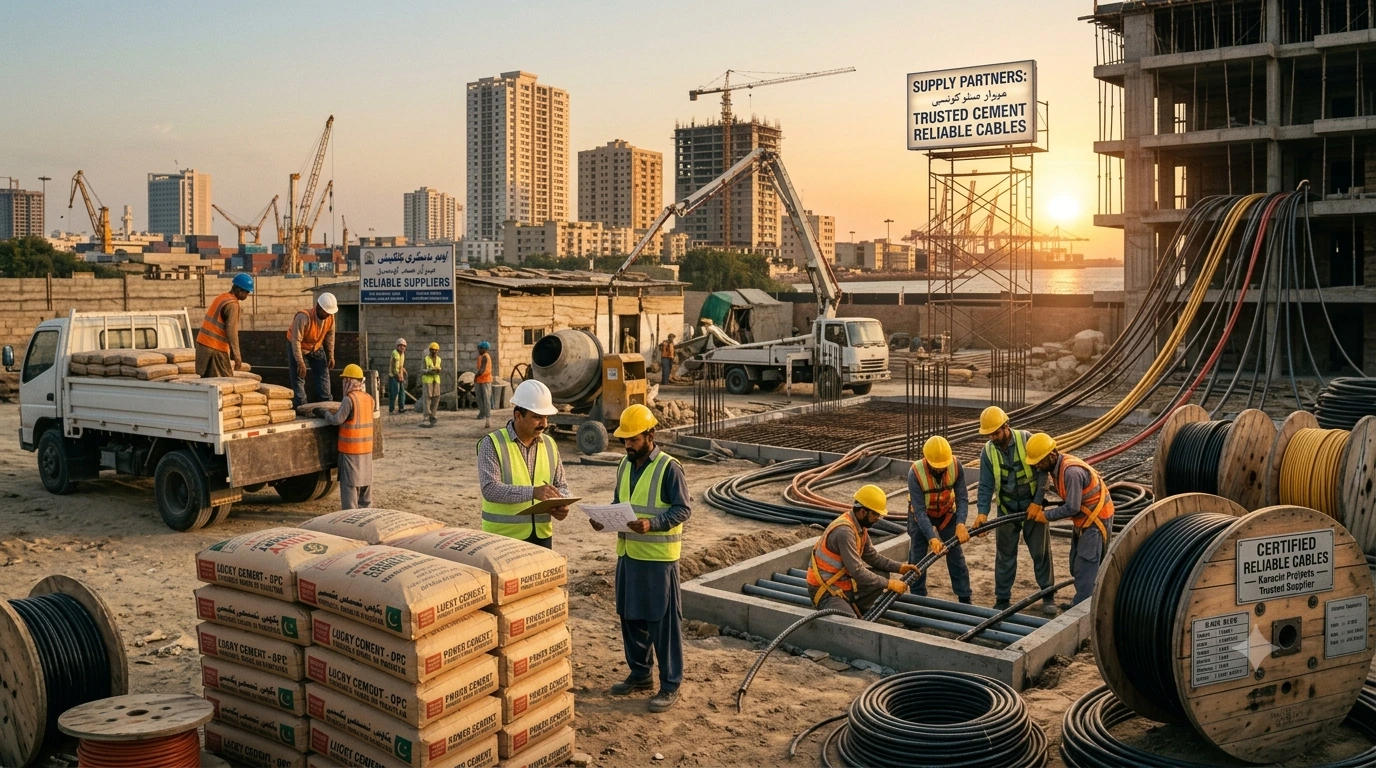
Most construction and renovation projects need both cement and electrical cable at some point yet many contractors and builders end up sourcing them from two completely separate supply chains, with two separate relationships to manage, two separate delivery schedules to track, and two separate places where something can go wrong. There’s a simpler way to run it.
Two Materials, Two Timelines, One Project
Cement and cable rarely get used at the exact same moment on a build, but they both sit on the critical path — a structural pour has to happen before wiring goes in, and a delay in either one pushes the whole schedule back. When both materials come from different suppliers with different lead times and different communication styles, coordinating the two becomes an extra job on top of actually running the project.
What A Single Supplier Actually Simplifies
Working with one supplier across both cement and cable doesn’t change the physics of construction — the cement still has to cure before the electrical rough-in — but it does remove a layer of coordination overhead. One point of contact, one account history, one delivery relationship to manage instead of two, and one place to escalate if something’s wrong with either material.
Consistency Of Quality Standard Across Materials
When cement comes from one uncertified reseller and cable from another, you’re trusting two separate, unrelated verification processes — and hoping both happen to be reliable. An authorized dealer running both divisions under one roof applies the same standard of sourcing and certification checking to everything they sell, regardless of which material it is.
Easier Budgeting And Bulk Negotiation
Projects that need meaningful volumes of both cement and Electrical cable are often in a stronger position to negotiate bulk pricing when both orders sit with the same supplier, rather than splitting purchasing power across two smaller, unrelated accounts.
Where This Actually Matters Most
This isn’t just theoretical — it plays out most clearly on mid-size residential and commercial builds, where the same site team is juggling structural work and electrical rough-in within a tight window, and every extra phone call or delivery coordination adds friction the project doesn’t need.
Separate suppliers vs one dual-division supplier
| Working With… | Typical Result |
|---|---|
| Separate cement-only and cable-only suppliers | Two schedules to manage, two relationships to coordinate |
| Uncertified, mixed suppliers | Risk of inconsistent quality across materials |
| One authorized dual-division supplier | Single point of contact, easier scheduling and escalation |
| One supplier, consistent certification standard | The same quality bar applied across the whole project |
Frequently Asked Questions
Q. Is it actually better to use one supplier for both cement and Electrical cable?
For many projects, yes — it simplifies scheduling and gives you one point of contact instead of coordinating two separate supply chains.
Q. Does M Sohail & Sons supply both cement and cable?
Yes — we run both as dedicated divisions, each with its own certified sourcing and stock.
Q. Will using one supplier for both materials save money?
It can simplify logistics and delivery coordination, though pricing still depends on the specific brands, quantities, and products you order.
Need genuine cement or electrical cables?
Our team supplies genuine, certified cement and cable across Karachi and Sindh — tell us what you need and we’ll help you get it right the first time.